



Found 0 record that meets the criteria
More







Are you looking for a product?
Found 0 record that meets the criteria

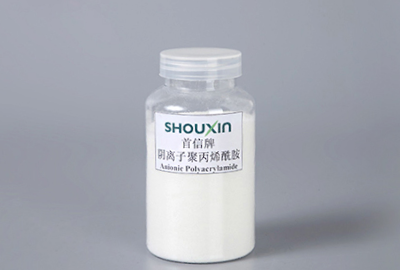
Anionic Polyacrylamide
Copolymerized from anionic monomers and acrylamide monomers.
Anionic Polyacrylamide
Anionic polvacrylamide (APAM) is a water-soluble linear macromolecule focculant formed by the copolymerization of acrylamide and acrylate. it promotes the flocculation of particles by neutralizing the surface charge of suspended particlesthus destabilizing the particles in water. The destabilized particles adsorb with each other under the bridging effect of the active gene of macromolecule polymers. Finally, larger flocs are formed.
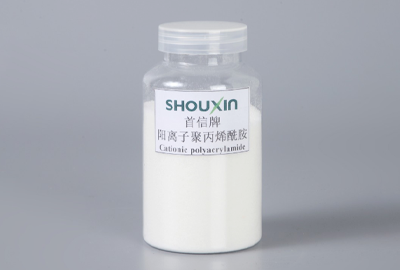
Cationic Polyacrylamide
Copolymerized from cationic monomers and acrylamide monomers.
Cationic Polyacrylamide
Cationic Polyacrylamide (CPAM) is formed by copolymerization of cationic monomer and acylamide monomer. It is a water-soluble linear polymeric flocculant. It is mainly used in flocculation and sedimentation of sewage and sludge dewatering and so on.
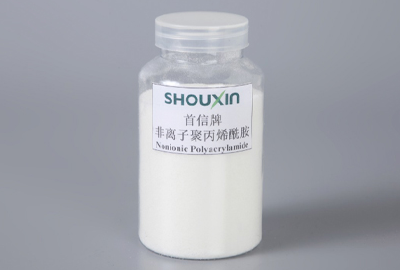
Nonionic Polyacrylamide
Copolymerized from acrylamide and acrylate
Nonionic Polyacrylamide
The molecular chains of nonionic polyacrylamide product type N series contain a certain amount of polar genes which can absorb solid particles suspended in water and form large flocculents between particles. it can accelerate the sedimentation of particles in suspension has a very significant effect on accelerating solution clarification and promoting settling. Nonionic polyacrylamide is widely used in chemical industry waste water treatment, Minerals selection treatment, particularly effective in acidic waste water treatment.
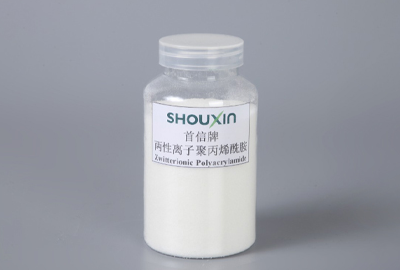
Amphoteric Polyacrylamide
Possesses the typical characteristics of general cationic flocculants
Amphoteric Polyacrylamide
Amphoteric polyacrylamide contains cationic and anionic groups in its molecule. lt possesses the characteristics of common cationic flocculants and exhibits more excellent properties. Such flocculants can be used in a wide range of PH values, with higher water filtration capacity, lower mud cake moisture content, and can also be used for strone acid eaching of ores or recovering valuable metals from acidic catalysts containing metals. Amphoteric polyacrylamide is by no means a mixture of anionic and cationic polyacrylamide.
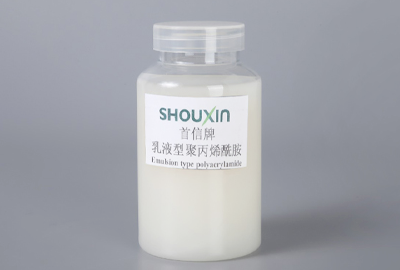
Emulsion Polyacrylamide
Emulsion-type polyacrylamide is a new type of flocculant
Emulsion Polyacrylamide
As a new flocculant using the microemulsion process,in polymerization, a special wal-breaking technology, emulsion polyacrylamide is characterized by high conversion rate and stability, multiple functions, quick dissolution, etc. It has a neutral PH value,the sludge treated by it can be reused for composting, brick making, etc. The filtrate obtained after treatment by it is clear and the mud cakes obtained have low water contents, helping cut down the overall treatment cost.


